



Image source: pixabay.com/ErikaWittlieb
I’ve finished writing my second book. My first book, *Chi statt Botox*, is now four years old and is currently going into its fifth edition. Then, as now, I struggled to recognise when I’d actually finished. How do we know when we’re good enough? Good enough for a project, good enough to make a claim, or simply good enough as a person? And why is women’s self-worth such a unique issue?
Self-esteem and the killer voice
Ever since my book was finished, an inner voice has been tormenting me: „The book’s rubbish; no publisher’s got in touch.“ I tell myself that I’ve proofread it carefully, but the doubts remain. How much validation do we actually need to feel good enough? This voice silences us, even though we have something to say. It makes us feel guilty and often ensures that dreams remain just that – dreams.
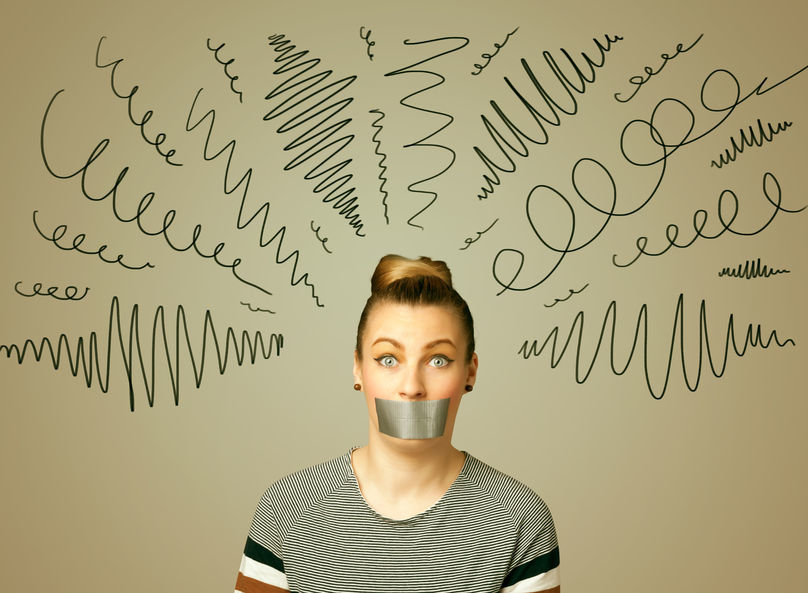
Image source: 123rf.com/ra2studio
The questions behind the question
Who decides what is good enough? This question raises some crucial points: When am I allowed to show myself as I am? When am I allowed to feel valued and demand respect? When am I allowed to be satisfied with myself? Let’s take a look at the paths we often mistakenly choose.
1. recognition from outside

Image source: pxhere.com/rawpixel.com
Recognition feels good, but it isn’t the final answer. As long as that critical voice inside you doesn’t fall silent, it will dismiss every success as a fluke („Even a blind chicken finds a grain of corn sometimes“) and will only listen to criticism.
2. achieve our goals
We believe we’re good enough once we’ve been promoted or lost weight. But that’s often just a carrot dangled in front of us. As soon as we’ve achieved a goal, we immediately raise the bar. That inner voice is a ravenous monster that’s never satisfied.
3. have more than others
Envy can be motivating, but it doesn’t bring inner peace. There will always be someone who has something you don’t. This kind of comparison is a dead end.
Out of the dead end
The solution lies where the problem lies: within yourself. The only person who can set you free is the one holding you back – and that is you. We create the feeling of not being good enough ourselves. Healing lies in the decision not to adopt the expectations of those around us as our own without question.
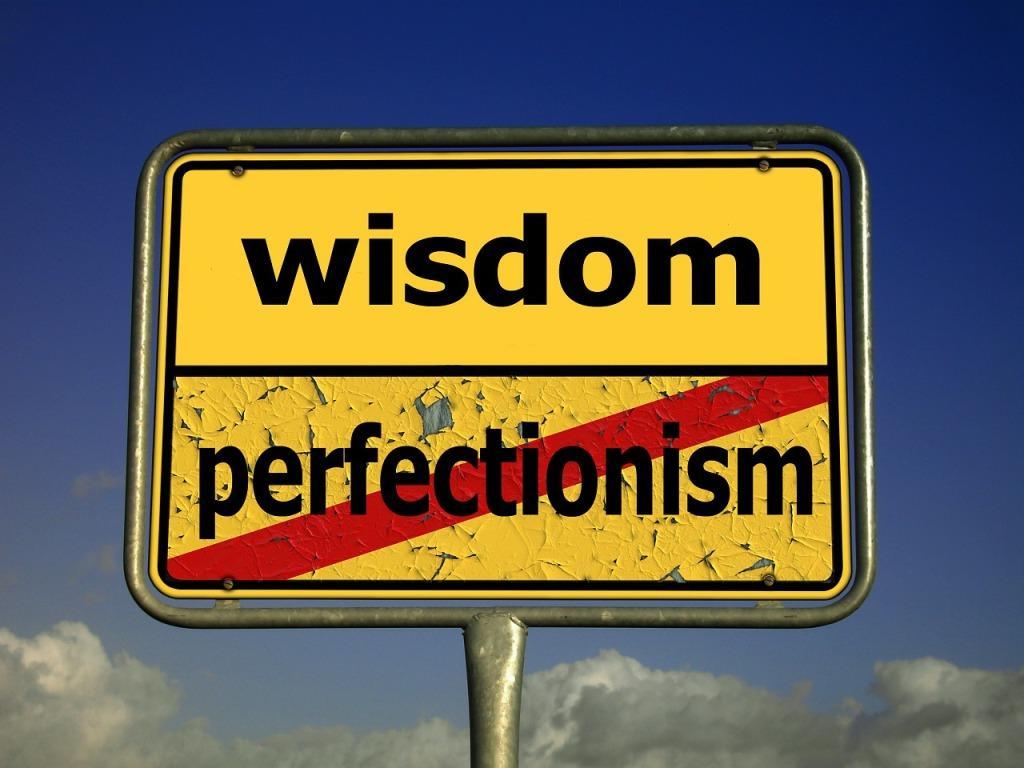
Image source: pixabay.com/geralt
Watch out, women's trap!
Question the stereotypes of what it means to be a woman. These „jack-of-all-trades“ do not exist. Any woman who pretends to have everything perfectly under control undermines the self-esteem of others. It’s time to refuse tasks for which there is neither respect nor pay, and to allow ourselves to feel what we really feel.

Image source: pixabay.com/geralt
Recognise your strictness and set boundaries
If you treated a friend the way you treat yourself, would she still be friends with you? Pay attention to your inner dialogue. Your energy is finite. The Chinese call this life force „Jing“ – and this reserve is limited. Anyone who fails to respect their limits is acting in a way that is harmful to themselves. Doing something about 80 per cent well is often more than enough.
The Courage to Embrace Imperfection
Our society is afraid of making mistakes. But perfection is utterly uncreative. This deadly seriousness costs us too many talented women and brilliant projects that never see the light of day because of fear. Showing that you’re not perfect opens people’s hearts. Life is like an uneven floor, where every tile tells a story – it’s better to be a „Hundertwasser“ than a humourless perfectionist.
Image source: pixabay.com/ludi